
Rides Became a Place to Breathe:Laura-Lea of Maple Ridge
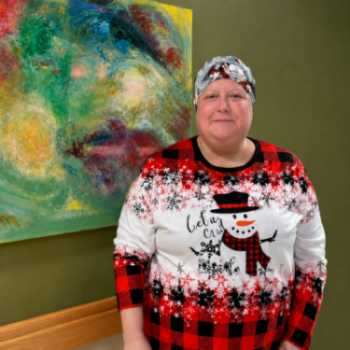
Laura-Lea’s Journey
Laura-Lea doesn’t remember just one moment when she discovered Volunteer Cancer Drivers Society. It was more like the idea kept showing up: a TV ad here, a mention at the hospital after her diagnosis.
But what truly convinced her wasn’t the messaging. It was the quiet endorsements from friends who had been through cancer themselves. They told her what it actually felt like to use the service: that in those car rides, you could talk if you needed to, confide in someone who may have been through it themselves or alongside someone they loved, rest if you were exhausted, or simply stare out the window and catch your breath.
That mattered.
Because once treatment started, the reality set in. An hour each way to appointments. The pressure of getting there on time. The fear of the needle in her hand that was coming. Parking. Navigating it all on days when she didn’t feel like herself or was too fatigued.
VCDS took that weight and fear off her shoulders.
“It meant everything not to have to worry about how I was getting there,” she says. “Especially after treatment, when you’re exhausted, emotionally drained. Just getting home safely feels like a lot.”
What stayed with her most was the people.
Many of the drivers brought a kind of presence that’s hard to teach: empathetic and intuitive. They seemed to understand that every day could be different. Some days Laura-Lea wanted to talk, and they met her there. Other days, she didn’t, and they respected that too.
There were moments of real connection. One driver, who had also experienced cancer alongside her husband, shared a deeply honest conversation with Laura-Lea about loss, identity, and what cancer takes from you. Laura-Lea had faced cancer herself at 24 and wasn’t able to have children. The conversation stayed with her long after the ride ended.
“I remember thinking afterward, I hope I didn’t hurt her. But we were just real with each other. And that matters. No one’s journey is the same, and I’ve always believed you shouldn’t bottle things up.”
There were also small, thoughtful gestures that didn’t go unnoticed. A box of Kleenex quietly available in the back seat. A driver who instinctively knew when to wait before speaking. Drivers who waited to ensure she got safely into the house. Judy from the team checking in when Laura-Lea forgot to log her rides, making sure nothing slipped through the cracks.
And then there were the drivers who stood out in a special way, like Colleen, whose empathy and attentiveness made Laura-Lea feel completely at ease.
“She listens, really listens. And she just knows when to talk and when not to. That makes such a difference.”
Another driver texted to make sure Laura-Lea was okay when her appointment was taking longer than expected. Unfortunately, she was on the radiation table being fitted and couldn’t respond, but the gesture stayed with her.
Even beyond the individual moments, what stands out most is the sense of relief the program provided. Without VCDS, she would have had to rely heavily on friends or family, with people taking hours out of their day, often six or more, to get her to and from treatment. Or she would have faced it alone, navigating taxis or rideshares while unwell.
“This program, it takes away so much of the burden. The feeling of being alone. Not just for patients, but for the people around them.”
Before finishing treatment, Laura-Lea felt compelled to reach out. With Judy’s help, she sent a message to the drivers she could remember: Alan, April, Carol, Colleen, Donna, Douglas, Frank, Gord, Heather, Llyod, Louise, Patrick, Sharon, Stuart, Tracey, Velma, Wayne and Wendy, thanking them.
Because at the heart of it, that’s what stays with her.
Not just the rides, but the feeling of being cared for. Not just as a cancer patient, but as a real person who was heard.
“It’s an awesome program,” she says. “It really is.”